If you collect or plan to buy Iraqi dinar banknotes online, you have probably seen listings that mention letters like UNC, AU, XF, VF, F, VG or Good next to the price. These letters are not random. They come from a standardized banknote grading system used by collectors, dealers and third party grading services all over the world. Understanding this scale is one of the most useful skills a currency collector can develop, because grade is the single biggest factor that determines what an iraqi dinar banknote is actually worth.
This guide breaks down every major grade on the paper money grading scale, explains where iraqi dinar notes typically fall on that scale and shows why grade matters when you are building a collection of iraqi dinar notes.
Where Banknote Grading Comes From
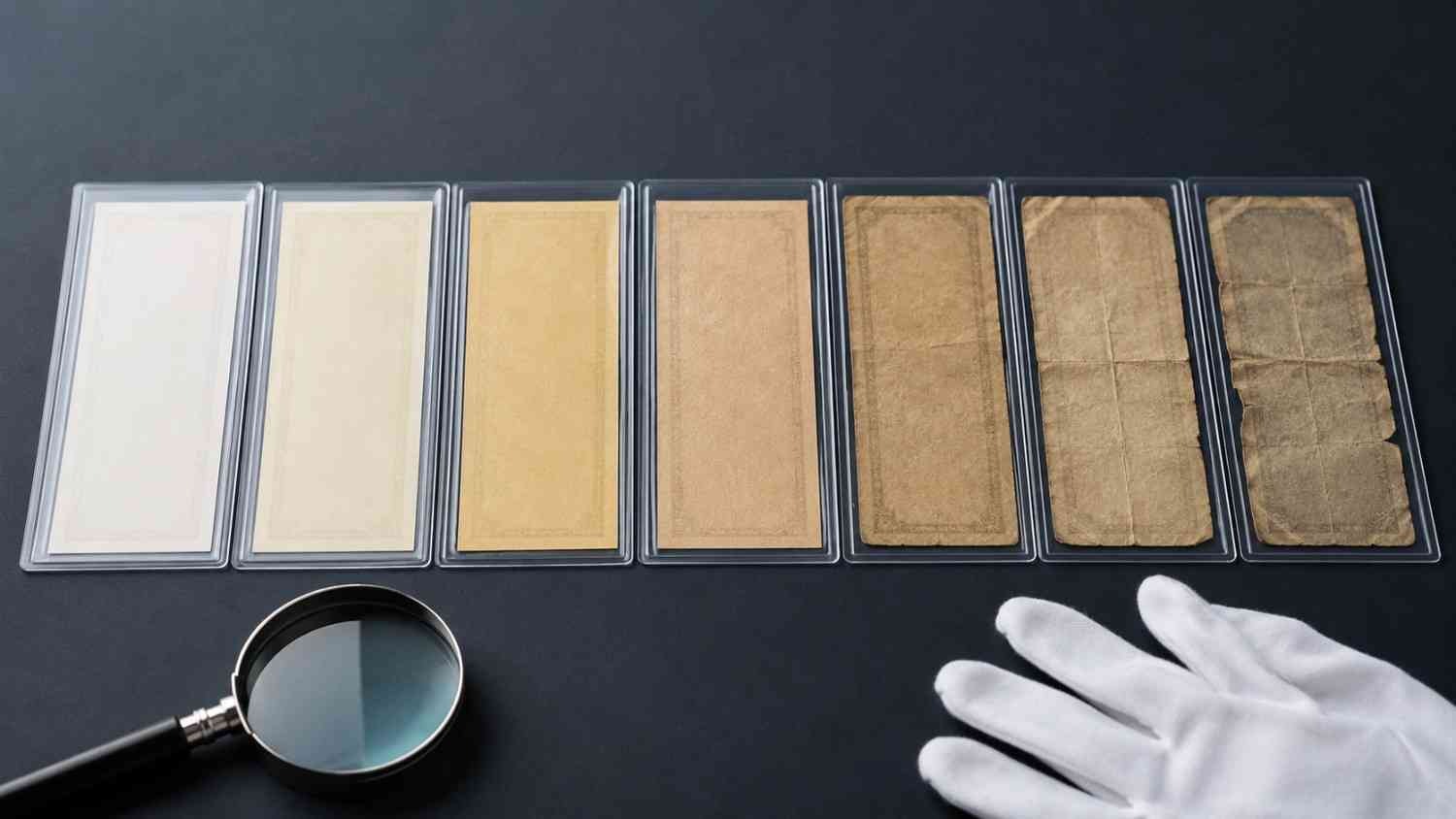
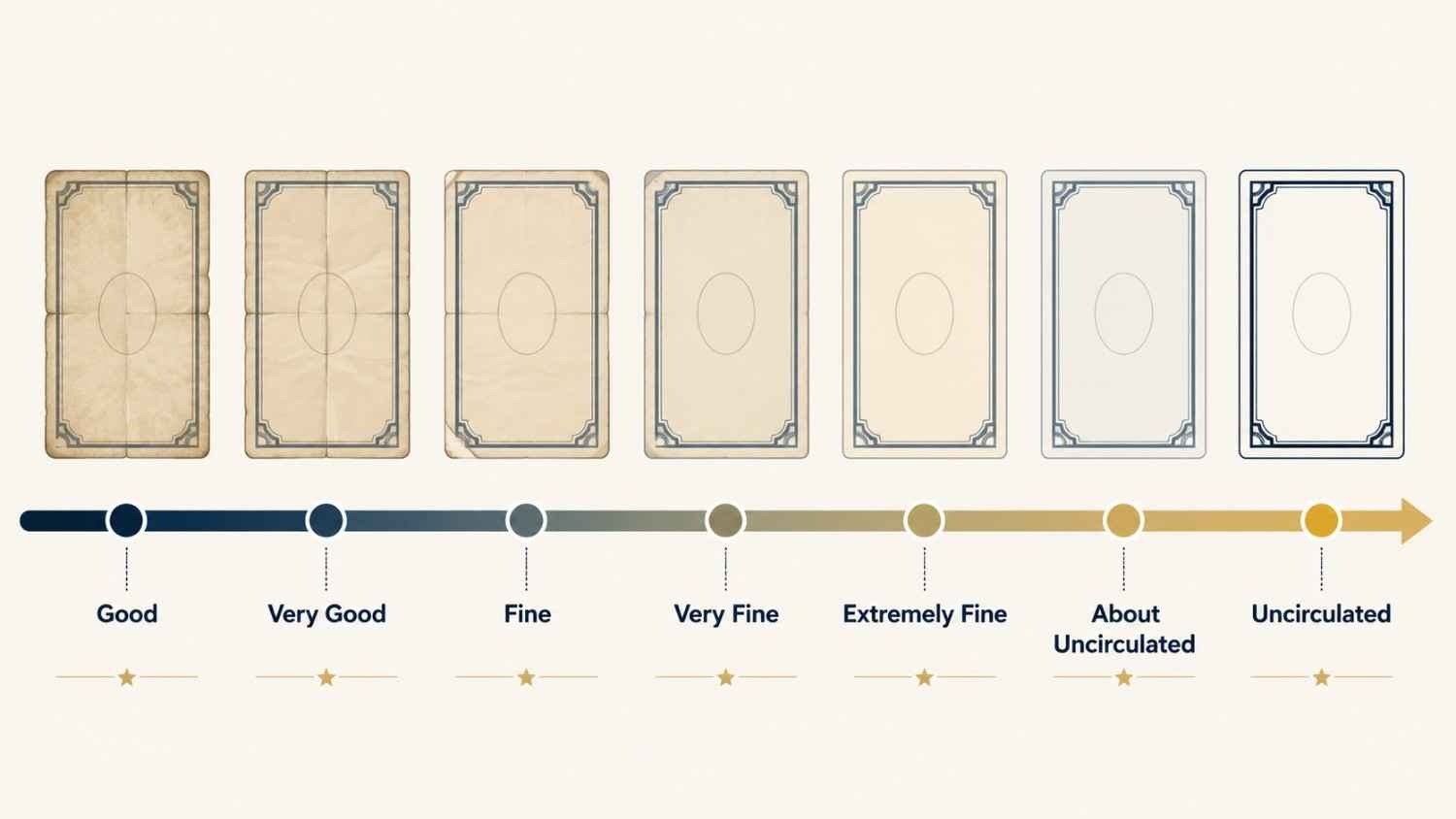
Paper money grading did not start as a marketing term. It grew out of a numerical system first developed for coins by Dr. William Sheldon in the late 1940s, later adapted for banknotes and standardized by organizations such as Paper Money Guaranty (PMG). This system runs from 1 to 70, with 70 representing a flawless note and 1 representing a note in the worst surviving condition. Each numeric range is tied to a plain language adjectival grade such as Uncirculated, Extremely Fine or Good, so that both new collectors and professional dealers can describe a note’s condition using the same vocabulary.
The point of this system is simple. Two people looking at the same banknote from opposite sides of the world should be able to agree, roughly, on its condition without ever having spoken to each other. That consistency is what allows collectors to buy iraqi dinar banknotes online with confidence, even when they cannot physically inspect the note before purchase.
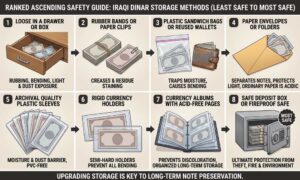
The Full Grading Scale, Explained Grade by Grade
Uncirculated (UNC), Numeric Grade 60 to 70
An uncirculated iraqi dinar note has never been used in everyday transactions. It has no folds, no creases, no soiling and no rounding on the corners. Within the UNC range, small differences in centering, margin quality and handling marks separate a 60 grade note from a 67 or higher Superb Gem note. For collectors, uncirculated iraqi dinar notes represent the top of the condition scale and are generally the most sought after tier, particularly for notes purchased directly through official banking channels or verified dealers rather than pulled from general circulation.
About Uncirculated (AU), Numeric Grade 50 to 58
About Uncirculated describes a note that is nearly perfect but shows very light evidence of handling. This might be a single soft fold through the center, a light corner bend or a faint counting mark left by a bank teller. Critically, an AU note cannot have a hard crease that breaks the surface of the paper. The colors remain bright and the paper retains most of its original crispness. AU is often the grade collectors accept when a true UNC example of a note is difficult to find.
Extremely Fine (XF or EF), Numeric Grade 40 to 45
Extremely Fine notes show light, even wear with a small number of folds, generally two to four. The paper still feels reasonably crisp and the ink retains good color, but a careful inspection under strong light reveals the handling history. XF notes strike a balance that many collectors like: strong eye appeal at a lower price point than AU or UNC.
Very Fine (VF), Numeric Grade 20, 25, 30 35
Very Fine notes have clearly circulated. Expect several folds running both vertically and horizontally, along with a slight softening of the paper. Despite this wear, VF notes should still be a single, intact piece of paper with no missing sections and readable detail throughout the design. This grade is common for older or well used currency and remains popular for collectors who want an affordable representative example of a particular note rather than a pristine one.
Fine (F), Numeric Grade 12 to 15
Fine grade notes show considerable circulation. Corners are rounded, multiple folds and creases are visible and the paper has lost most of its original stiffness. The note is still whole and legible, but it clearly shows the signs of everyday use. Fine grade notes are typically valued for their historical or type collecting significance rather than pristine condition.
Very Good (VG), Numeric Grade 8 to 10
Very Good notes are heavily worn. They may show fraying at the edges, small tears along fold lines, minor staining or soiling. The note remains intact as a single piece, but it looks and feels tired. This grade is usually seen in older notes that have been through years of active circulation.
Good (G), Numeric Grade 4 to 6
Good is the lowest widely collected grade. Notes at this level show heavy wear across the entire surface, including possible small pieces missing, significant staining and a complete loss of paper crispness. Notes graded below Good are generally not considered collectible unless the note itself is rare, since condition problems at this level significantly affect both durability and appearance.
Why Grade Matters for Iraqi Dinar Collectors
Grade affects three things that matter to every collector: value, liquidity and long term preservation.
Value. Two identical iraqi dinar banknotes with the same denomination and series can carry very different prices simply because one is uncirculated and the other has visible folds. Higher grade notes are typically scarcer in the marketplace because far fewer notes survive handling, storage and time without picking up wear.
Liquidity. A well graded, clearly described note is easier to sell later, because buyers can trust what they are getting. This is a big part of why iqd banknotes unc for sale tend to attract more buyer interest than the same denomination in a lower, undocumented grade. Clear grading removes guesswork from the transaction.
Preservation. Understanding the grading scale also teaches collectors how to protect what they already own. Once you know that a single hard fold can drop a note from AU to XF, you naturally become more careful about how you store and handle your iraqi dinar notes going forward.
Buying Iraqi Dinar Notes at the Right Grade
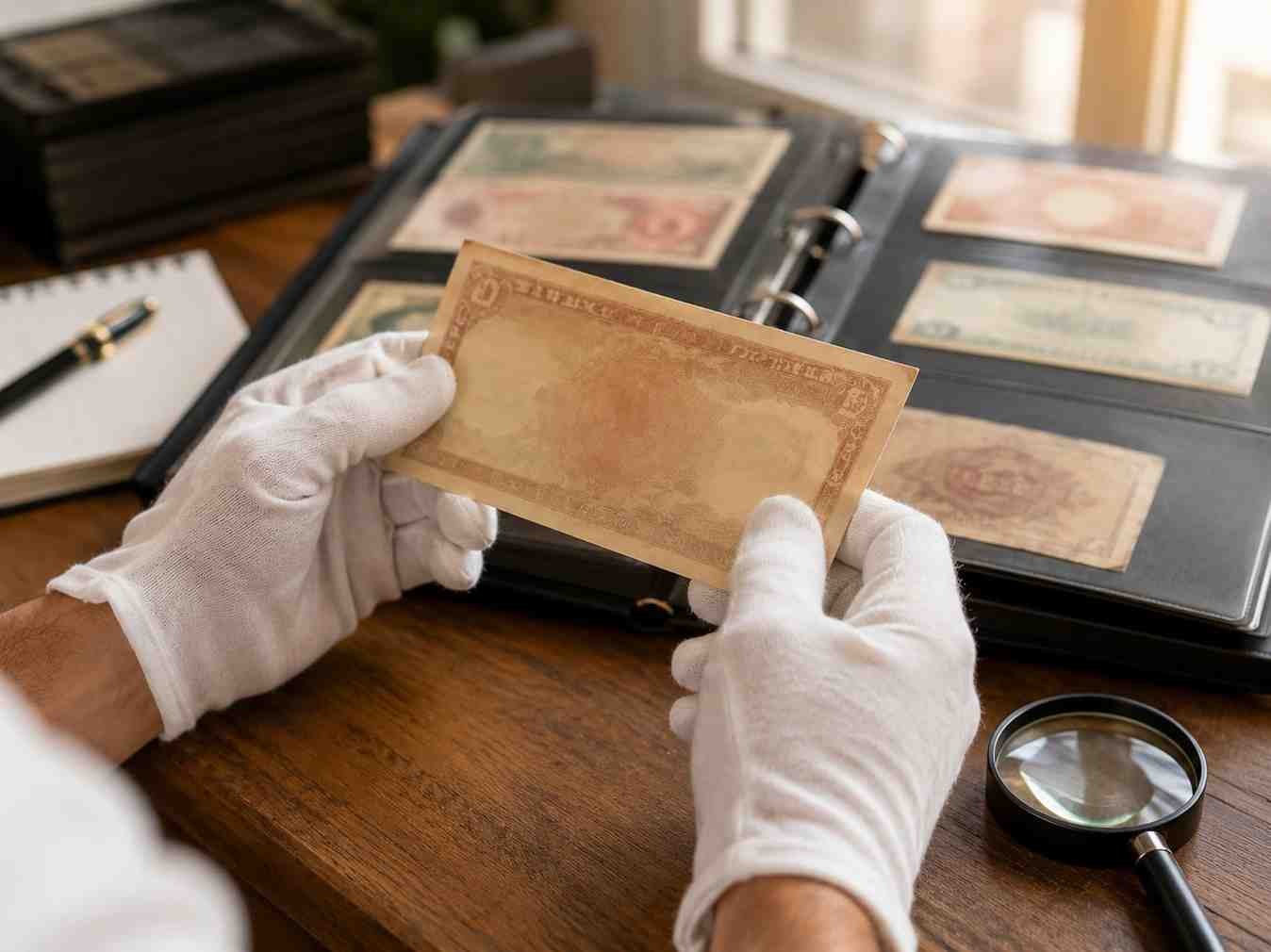
When you buy iraqi dinar banknotes online, the grade listed should match what you actually receive. Reputable sellers describe conditions honestly, using the standard terminology outlined above rather than vague terms like “great condition” or “like new.” If you are building a collection focused on long term value, prioritizing genuinely uncirculated iraqi dinar notes from a trusted source is usually the safer strategy, since these notes have the most consistent buyer demand and the clearest condition history.
If your goal is simply to own a representative iraqi dinar banknote for historical interest rather than as a graded collectible, a Very Fine or Extremely Fine note can be a more budget friendly option while still offering strong visual appeal.
Frequently Asked Questions
What is the highest grade a banknote can receive?
On the standard 70 point scale, 70 is the highest possible grade, representing a note with no visible evidence of handling even under magnification.
Is AU better than XF?
Yes. About Uncirculated (AU) sits above Extremely Fine (XF) on the grading scale, meaning AU notes show less handling and fewer, lighter folds than XF notes.
Can a note’s grade change over time?
Yes. Improper storage, such as folding a note or exposing it to humidity and sunlight, can lower its grade. This is why proper handling and storage matter just as much as the initial purchase grade.
Do all sellers use the same grading standards?
Grading is meant to be standardized, but adjectival grades applied by individual sellers can vary in strictness. Buying from a seller who inspects and describes notes carefully reduces the risk of a mismatch between the listed grade and the note’s actual condition.
Final Thoughts
Learning to read the grading scale, from Good all the way up to Gem Uncirculated, turns you into a far more confident buyer and seller of iraqi dinar notes. The letters UNC, AU, XF, VF, F, VG and Good are not just labels, they are a shared language that tells you exactly what condition a note is in before you ever hold it in your hands. Whether you are starting a collection or adding to one, understanding this scale helps you buy iraqi dinar banknotes online with clarity and build a collection you can trust the value of for years to come.