If you collect banknotes, you have probably noticed that two notes with the same face value can carry very different price tags. This is common with uncirculated Iraqi Dinar notes. A note that looks fresh and untouched almost always sells for more than one that shows signs of handling. Here are the facts behind that price gap.
What Does Uncirculated Mean
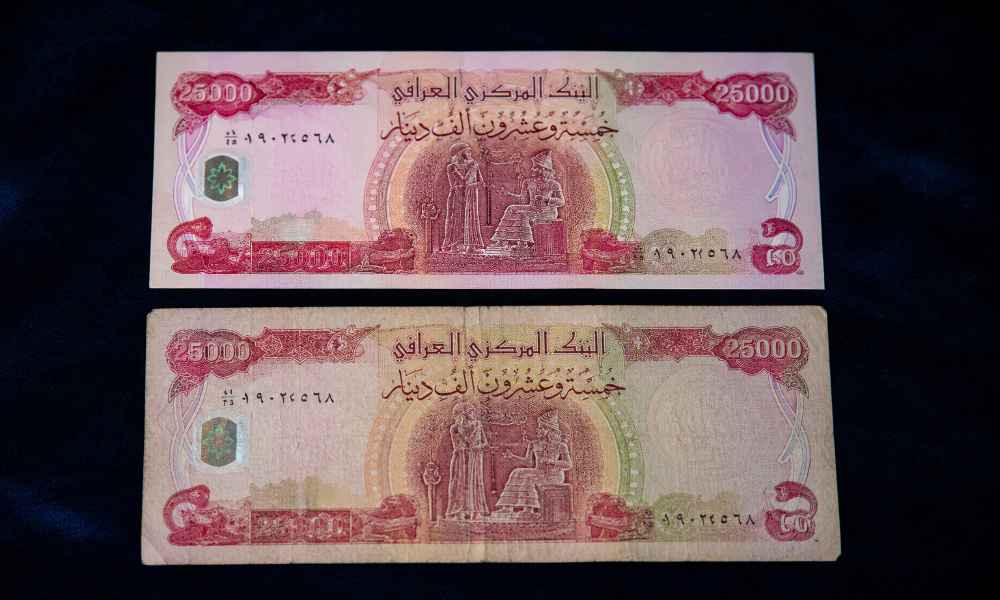
An uncirculated note is one that never entered public use. It went straight from the printing press to storage, so it has no folds, no creases, no stains and no wear at the corners. Uncirculated Iraqi Dinar notes keep their original paper texture, sharp print detail and bright color, exactly as they left the printing facility.
What Does Circulated Mean
A circulated note is one that was used in daily hands. Even light circulation leaves marks such as soft folds, edge wear, small tears or fading. These marks are permanent. Once a note has been through circulation, it cannot go back to an uncirculated state.
Why Condition Changes the Price
Collectors pay more for uncirculated iraqi dinar notes for a few clear reasons.
First, supply drops over time. Every year, more of the original printed notes get folded, stored poorly or damaged, which shrinks the number of well preserved notes still available.
Second, condition is the main factor collectors use to judge quality. A crisp, unmarked note simply looks better and holds its detail better for long term keeping.
Third, matching sets and complete collections are usually built around uncirculated grade notes, so demand for that specific condition stays steady among serious collectors.
How Collectors Grade Iraqi Dinar Notes
Paper currency collecting follows grading standards similar to those used for coins. Notes are checked for corner sharpness, paper stiffness, print clarity and the presence or absence of folds. You can read more about how grading scales work for paper currency on Wikipedia’s banknote overview. General numismatic grading practices are also explained on the Wikipedia numismatics page.
Iraqi Dinar notes that pass this check with no visible wear are marked uncirculated and this label is what buyers look for when searching for iraqi dinar notes online.
Where to Buy Genuine Iraqi Dinar Notes for Sale
If you are looking for iraqi dinar for sale in verified uncirculated condition, buying from a source that clearly states the grade of each note matters. Whether you want to buy iraqi dinar online or buy IQD for your collection, always check that the listing specifies uncirculated or circulated condition before you order.
In Short
Uncirculated Iraqi Dinar notes cost more because they are scarcer, better preserved and easier to grade with confidence. If you are building a collection, choosing uncirculated notes gives you the best long term condition and the strongest resale appeal within the collector community.
Frequently Asked Questions
What is the difference between uncirculated and circulated Iraqi Dinar notes?
Uncirculated notes never entered public use and have no folds, creases or wear. Circulated notes were used in daily hands and show visible signs of handling such as soft folds or edge wear.
Why do uncirculated Iraqi Dinar notes cost more than circulated ones?
Uncirculated notes are scarcer because fewer well preserved notes remain over time, they hold sharper print detail and collectors specifically seek this grade for complete sets.
Can a circulated Iraqi Dinar note become uncirculated again?
No. Once a note has passed through circulation and picked up folds or wear, that damage is permanent and the note cannot return to uncirculated condition.
How do collectors grade Iraqi Dinar notes?
Notes are checked for corner sharpness, paper stiffness, print clarity and the presence of folds, following grading practices similar to standard numismatic currency grading.
Where can I buy genuine uncirculated Iraqi Dinar notes online?
You can buy verified, graded Iraqi Dinar notes for sale at buy iraqi dinar, where each note’s condition is clearly listed.