The Iraqi Dinar (IQD) is one of the most historically rich currencies in the world. For banknote collectors in the USA, UK, India, UAE and Gulf countries, understanding where the Iraqi Dinar came from makes owning one even more meaningful. In this guide, we take you through the complete story of the Iraqi Dinar from its very first introduction in 1932 to the beautifully designed modern 25,000 IQD and 50,000 IQD banknotes that collectors treasure today.
What Is the Iraqi Dinar?
The Iraqi Dinar is the official national currency of Iraq. Its international currency code is IQD and it is issued by the Central Bank of Iraq (CBI). The Dinar is divided into 1,000 smaller units called Fils, although Fils are rarely seen in everyday use today.
The most widely collected Iraqi Dinar banknotes today are the 25,000 IQD note and the 50,000 IQD note. These are the notes that banknote collectors around the world add to their collections in single notes or bundled packs.
1932 – The Birth of the Iraqi Dinar
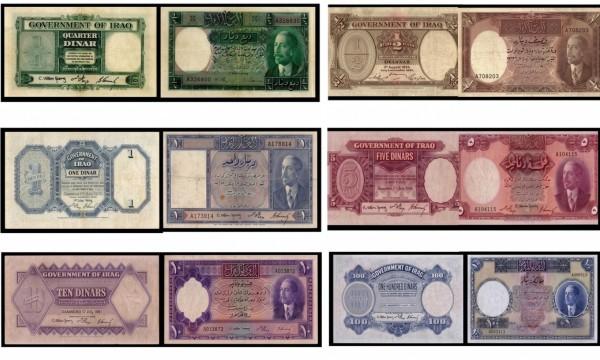
The Iraqi Dinar was officially born on April 1, 1932. Before this date, Iraq used the Indian Rupee as its currency under British administration. When Iraq achieved independence, the new government established its own national currency the Iraqi Dinar.
The early Iraqi Dinar banknotes were beautifully crafted, featuring detailed designs and high quality printing. These early notes are now extremely rare and highly prized by serious banknote collectors around the world.
1930s to 1950s – Iraq Under the Monarchy
During the Kingdom of Iraq era (1932 to 1958), the Iraqi Dinar was managed by the National Bank of Iraq. New series of banknotes were issued regularly, each featuring portraits of the Iraqi kings – King Faisal I, King Ghazi and King Faisal II.
These monarchical era banknotes are now extremely collectible pieces. Featuring elegant Arabic calligraphy, royal portraits and detailed engravings, they represent some of the finest banknote printing of that era. Collectors from the UK, USA and Europe actively seek these notes for their historical and artistic appeal.
1958 to 1980 – The Republic Era and New Banknote Designs
The 1958 revolution ended the monarchy and Iraq became a republic. The Central Bank of Iraq was established in 1947 and continued to issue new banknote series under the republic. Banknote designs shifted from royal portraits to national symbols featuring Iraqi landscapes, ancient ruins, palm trees and historical landmarks like the Spiral Minaret of Samarra.
This period produced some of the most artistically stunning Iraqi Dinar banknotes ever printed. The craftsmanship, detail and cultural imagery on these notes make them highly desirable among paper money collectors worldwide.
1980 to 1990 – The Iran Iraq War Era Notes
The Iran Iraq War (1980 to 1988) was one of the longest conventional wars of the 20th century. During this period, Iraqi banknotes continued to be issued – and many of these wartime era notes featured bold nationalist imagery, including portraits of President Saddam Hussein.
Banknotes from this era are historically significant collector’s items today. They document an important and turbulent chapter in Iraqi history through their design, printing style and imagery.
1990 to 2003 – Sanctions Era and the “Swiss Dinar”
Following the Gulf War in 1990, international sanctions placed severe restrictions on Iraq. One major consequence was that Iraq could no longer import high quality banknote printing materials from abroad.
The Iraqi government began printing banknotes locally using lower quality materials. These notes often called “Saddam Dinars” had visible printing imperfections and were noticeably lower in quality compared to earlier issues.
In northern Iraq (the Kurdistan region), the older high quality notes – printed in Switzerland before the sanctions continued to circulate. These became known as “Swiss Dinars” among collectors and historians. Swiss Dinars are now rare and sought after collector’s pieces because of their superior print quality and fascinating historical story.
Both Saddam Dinars and Swiss Dinars are collectible today. They represent one of the most unusual and historically interesting chapters in world banknote history where two different versions of the same currency circulated in different parts of the same country.
2003 – The Complete Currency Replacement
After the fall of Saddam Hussein’s government in 2003, Iraq carried out one of the largest currency replacement operations in modern history. Between October 15, 2003 and January 15, 2004, all old banknotes both Saddam Dinars and Swiss Dinars, were replaced with completely new Iraqi Dinar banknotes.
The new notes were printed by De La Rue, one of the world’s most trusted and respected banknote printing companies, based in the United Kingdom. The new Iraqi Dinar featured:
• Advanced security features including watermarks, security threads and colour shifting ink
• Beautiful designs featuring Iraqi cultural landmarks and historical symbols
• High quality paper and printing matching international banknote standards
• Arabic and English text, making them accessible to international collectors
This was also when the now famous 25,000 IQD banknote was first introduced. It quickly became the most widely recognised and collected Iraqi Dinar note in the world.
2003 to Present – The Modern Iraqi Dinar Banknotes
Since 2003, the Central Bank of Iraq has continued to issue and update Iraqi Dinar banknotes. The current series includes several denominations:
• 250 IQD
• 500 IQD
• 1,000 IQD
• 5,000 IQD
• 10,000 IQD
• 25,000 IQD (most popular with collectors)
• 50,000 IQD (newest high denomination note)
The 50,000 IQD note was introduced as a larger denomination to make transactions more practical. Both the 25,000 IQD and 50,000 IQD notes are now the most popular denominations among banknote collectors globally.
What Makes Modern Iraqi Dinar Banknotes Special for Collectors?
Collectors in the USA, UK, India, UAE and Gulf countries are drawn to Iraqi Dinar banknotes for several compelling reasons:
Rich Historical Story
Each note carries over 90 years of Iraqi history wars, rebuilding and national identity.
Beautiful Artwork
Iraqi banknotes feature stunning imagery, ancient Babylonian ruins, the Spiral Minaret, palm trees and traditional motifs.
Advanced Security Features
Modern notes include watermarks, security threads, microprinting and colour shifting ink – making them fascinating to examine up close.
Uncirculated Condition
Collecting UNC (Uncirculated) notes means owning a perfectly preserved, crisp banknote that has never been in public circulation.
Global Availability
Iraqi Dinar notes can be legally purchased and collected in most countries including the USA, UK, India, UAE and Gulf nations.
Iraqi Dinar History: Quick Timeline
1932: Iraqi Dinar officially launched. First banknotes printed to international standards.
1932-1958: Kingdom of Iraq era. Royal portrait banknotes issued are now rare collector’s items.
1958-1980: Republic era. Banknote designs shift to national landmarks and cultural symbols.
1980-1988: Iran Iraq War. Nationalist banknotes issued. Historically significant collector’s pieces today.
1990-2003: Sanctions era. Saddam Dinars and Swiss Dinars are two types of IQD circulate.
2003-2004: Complete currency replacement. New Iraqi Dinar launched. 25,000 IQD note introduced.
2015 onwards: 50,000 IQD note introduced. Modern designs with advanced security features.
Present: Both 25,000 IQD and 50,000 IQD notes are the most collected Iraqi banknotes globally.
Conclusion
The Iraqi Dinar has one of the most fascinating stories of any currency in the world. From its royal origins in 1932, through decades of war and change, to a complete rebirth in 2003, the Iraqi Dinar is far more than just a banknote. It is a living record of Iraq’s history, culture and resilience.
For banknote collectors in the USA, UK, India, UAE and across the Gulf, owning authentic uncirculated iraqi dinar notes, whether the 25,000 IQD or 50,000 IQD denomination, means adding a truly unique and historically meaningful piece to your collection.
If you would like to add authentic, uncirculated iraqi dinar banknotes to your collection, visit our shop at iraqidinarnotes.com. We offer genuine, verified banknotes in various bundle sizes shipped safely to collectors worldwide